

How to Turn Raw Land Into a Homesite in Georgia: 10 Steps Before You Build
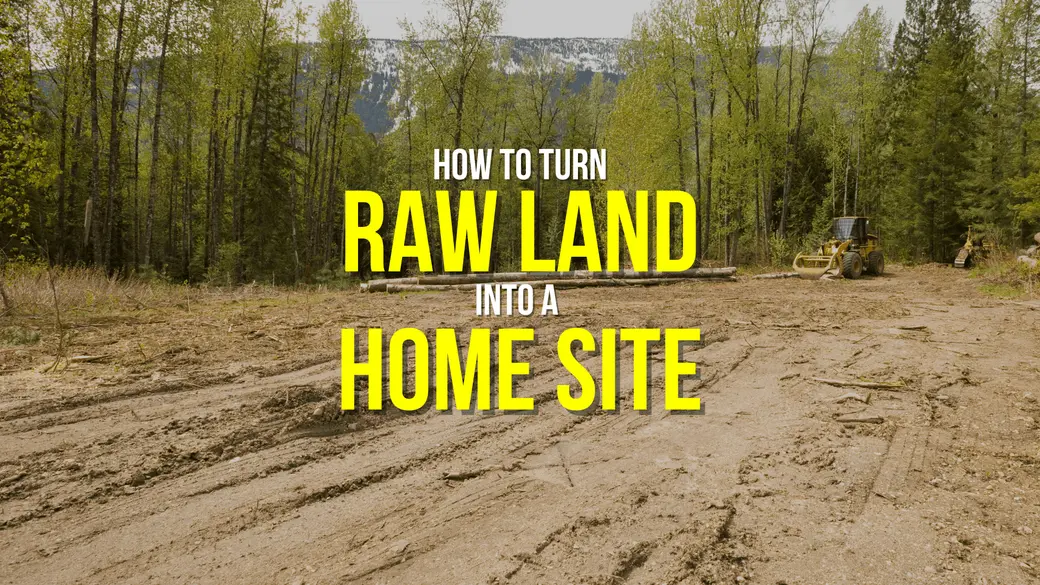
How to Turn Raw Land Into a Homesite in Georgia: 10 Steps Before You Build
Turning raw land into a homesite in Georgia starts with confirming that the property is legally and physically buildable. Before clearing trees or moving dirt, verify the zoning, legal access, soil suitability, septic options, utilities, drainage, setbacks, and environmental restrictions. Once the land passes due diligence, you can select the house location, obtain permits, install access and utilities, clear the site, grade the building pad, and prepare for construction.
The order matters. Clearing land before completing your research can turn an exciting project into an expensive mistake.
What Is a Buildable Homesite?
A buildable homesite is more than a cleared area large enough for a house. It is a portion of the property where a home can legally and practically be constructed.
A suitable Georgia homesite generally needs:
- Adequate road frontage or legally recorded access
- Zoning that permits the proposed home
- Enough usable land to meet setbacks
- Acceptable soil for a septic system when sewer is unavailable
- Reasonable access to electricity and water
- Stable soil and manageable topography
- Proper drainage
- Sufficient room for the house, driveway, septic system, and future improvements
- Compliance with floodplain, stream-buffer, wetland, and land-disturbance rules
A parcel may contain several acres while offering only a small usable building area. For that reason, buyers should evaluate usable land rather than relying on total acreage alone.
Step 1: Define What You Want to Build
Start with the end goal before searching for land.
Consider the approximate size and style of the home, whether it will have a basement, and which additional improvements you may want. These could include:
- A detached garage
- Workshop or barn
- Pool
- Guesthouse
- Garden
- Livestock area
- Recreational trails
- Long private driveway
- Additional homes for family members
Your plans affect how much usable land you need. A parcel that works for a modest ranch home may not accommodate a large house, shop, pool, septic field, replacement septic area, and livestock pasture.
You do not need final architectural drawings before buying land. However, you should have a general building concept that can be compared against the property’s zoning, terrain, and usable area.
Step 2: Verify Zoning and Local Development Rules
Land-use requirements vary throughout Georgia. Contact the county or municipal planning and zoning department before assuming you can build your preferred home.
Ask the local authority to confirm:
- Current zoning classification
- Whether a single-family home is permitted
- Minimum house size
- Minimum lot size and road frontage
- Front, side, and rear setbacks
- Rules for manufactured or modular homes
- Restrictions on barns, workshops, and accessory dwellings
- Livestock or agricultural-use requirements
- Whether the property can be subdivided
- Whether the parcel is subject to an overlay district
Also review recorded covenants and deed restrictions. Rural property can still carry private restrictions governing home size, construction materials, manufactured housing, commercial activity, or the number of structures allowed.
Zoning approval and private restrictions are separate issues. A county may allow a particular use even though the deed restrictions prohibit it. Reference https://georgialandandhome.com/blog/Understanding-Zoning-Laws-and-Restrictions-When-Buying-Land-in-Georgia for more zoning information.
Step 3: Confirm Legal and Practical Access
A homesite needs both legal access and a driveway that can be physically constructed.
Road frontage is usually the simplest arrangement. However, some parcels rely on a private road or easement across another property. An easement should be recorded, permanent, and broad enough for residential access, utilities, construction equipment, and emergency vehicles.
Do not rely solely on a visible dirt road. A road can exist without providing the legal right to use it.
The proposed driveway should also be reviewed for:
- Safe sight distance
- Steep slopes
- Drainage ditches
- Culvert requirements
- Creek crossings
- Utility conflicts
- Space for trucks and construction equipment
- Connection permits
A driveway connecting to a county road may require county approval. Access onto a state route may require Georgia Department of Transportation approval.
Long driveways can be attractive, but they also increase clearing, grading, gravel, drainage, utility, and maintenance costs.
Step 4: Order a Survey and Review the Title
A current boundary survey helps establish what you are actually buying.
The survey may identify:
- Boundary lines
- Encroachments
- Recorded easements
- Road frontage
- Rights of way
- Creeks and visible water features
- Existing improvements
- Potential access problems
The closing attorney’s title examination should also identify recorded liens, ownership defects, restrictions, and easements.
Walk the property with the survey when possible. Property corners, old fences, paths, and neighboring driveways do not always match the legal boundary.
A survey becomes especially important before clearing trees. Removing trees from neighboring property can create a costly dispute.
Step 5: Evaluate the Soil and Septic Potential
Many rural Georgia properties rely on private septic systems. Therefore, soil suitability is one of the most important parts of land-buying due diligence.
The evaluation considers more than whether the ground absorbs water. Soil characteristics, seasonal groundwater, slope, rock, available installation area, and separation distances can all affect septic approval.
A soil professional or county environmental health office can help determine whether the property can support an onsite sewage system.
Make sure the evaluation considers:
- The intended house location
- Number of bedrooms
- Proposed septic field
- Required replacement area
- Wells, streams, and property lines
- Future barns, pools, and driveways
A conventional system may not be the only option. In some situations, an alternative or engineered system may work. However, specialized systems can cost more and still require local approval.
Whenever practical, make the land purchase contingent upon satisfactory soil and septic evaluation. More info regarding perc tests availible here: https://georgialandandhome.com/blog/perc-test
Step 6: Investigate Water, Power, Internet, and Other Utilities
Utilities near the road do not automatically mean they are available to the homesite at a reasonable cost.
Contact each provider directly and ask for preliminary availability and extension information.
Electricity
Determine which electric provider serves the property. Depending on the area, service may come from Georgia Power, an Electric Membership Corporation, or a municipal utility.
Ask about:
- Distance to existing service
- Overhead versus underground installation
- Required easements
- Transformer or pole costs
- Clearing requirements
- Customer-paid line extensions
A homesite located far from the road may require a significant utility investment.
Water
Confirm whether public water is available and whether a tap can be installed. Also ask about tap fees, meter location, line-extension costs, and minimum pipe requirements.
If public water is unavailable, investigate well installation. Well depth, geology, access, and water quality can affect the final cost.
Internet and Communications
Do not assume that wired broadband is available because nearby homes have service. Verify the specific address or parcel with providers. Rural options may include cable, fiber, fixed wireless, cellular service, or satellite internet.
Natural Gas
Natural gas is not available in many rural locations. A future homeowner may need propane or an all-electric system.
More info regarding utilities & infrastructure availible here: https://georgialandandhome.com/blog/Navigating-Utilities---Infrastructure-in-Georgia--What-Every-Land-Buyer-Needs-to-Know
Searching for land that fits your home-building plans? Explore available properties here: https://georgialandandhome.com/land-for-sale.
Step 7: Review Topography, Drainage, Flood Zones, and Water Features
The best view is not always the best building site.
A homesite should balance appearance with drainage, driveway access, foundation requirements, septic placement, utilities, and construction cost.
Look for warning signs such as:
- Standing water
- Washed-out areas
- Deep erosion
- Steep slopes
- Exposed rock
- Low areas below the road
- Creeks or drainage channels
- Wet-weather springs
- Unusually dense water-tolerant vegetation
Check available flood maps, but do not stop there. Local drainage problems and small water features may not appear clearly on broad mapping tools.
Georgia properties containing streams, wetlands, lakes, or other state waters may also be subject to vegetated buffers and disturbance restrictions. A standard buffer can significantly reduce the available building area. Designated trout waters may carry wider requirements.
Before disturbing land near water, consult the appropriate local authority and, when needed, an environmental professional.
Step 8: Select the House, Septic, Driveway, and Utility Layout Together
Do not select the house location in isolation.
A coordinated concept plan should show:
- House footprint
- Garage orientation
- Driveway route
- Septic tank
- Primary drain field
- Replacement drain-field area
- Well or water connection
- Power route
- Barns and accessory buildings
- Drainage paths
- Required setbacks and buffers
This is where a builder, surveyor, soil professional, and experienced land representative can provide significant value.
For example, moving the house 100 feet may improve the view but add substantial driveway and utility costs. Rotating the home may reduce grading or improve drainage. Relocating a shop may protect the septic replacement area.
The cheapest place to clear is not always the least expensive place to build.
Step 9: Establish a Complete Development Budget
The land price is only one part of the project.
Potential raw-land development expenses include:
- Surveying
- Soil evaluation
- Engineering
- Architectural or house-plan work
- Driveway permits
- Septic permits
- Building permits
- Land clearing
- Stump removal
- Erosion-control measures
- Excavation
- Grading
- Imported fill or removal of unsuitable soil
- Building-pad preparation
- Driveway construction
- Culverts
- Septic installation
- Well drilling
- Water tap
- Power extension
- Temporary construction power
- Retaining walls
- Drainage improvements
- Construction-loan fees
- Contingency reserve
Site-development costs vary widely because every property is different. Dense timber, steep terrain, rock, poor soils, long utility runs, and drainage issues can quickly increase the budget.
Build a contingency into the plan. Raw land frequently reveals conditions that were not obvious during the first property visit.
Before committing to a property, schedule a home-buying and land strategy call: https://georgialandandhome.com/contact.
Step 10: Obtain Approvals Before Clearing and Grading
Once the property is under control and the layout is established, confirm which permits and plans are required.
Depending on the property and jurisdiction, these may include:
- Driveway or encroachment permit
- Septic permit
- Well permit
- Land-disturbance permit
- Erosion and sediment-control plan
- Building permit
- Floodplain-development approval
- Stream-buffer variance
- Tree-removal approval
- Utility permits
Projects disturbing a larger area or working near protected waters may face additional erosion-control requirements. Even smaller projects can be subject to local ordinances.
Do not assume the clearing contractor will handle every approval. Confirm responsibility in writing before work begins.
How the Physical Site-Preparation Process Usually Works
After due diligence, design, financing, and permitting are complete, physical development can begin.
A typical sequence may include:
- Mark boundaries, buffers, and protected trees.
- Establish construction access.
- Install required erosion-control measures.
- Clear the driveway and house area.
- Remove stumps and unsuitable material from structural areas.
- Rough-grade the site.
- Install underground utilities or sleeves where appropriate.
- Construct and compact the building pad.
- Shape drainage away from the future foundation.
- Prepare the driveway for construction traffic.
- Complete required inspections.
- Begin foundation work.
Clearing methods should match the intended use. Forestry mulching can be useful for brush, trails, and selected yard areas. However, the house pad, driveway, and other structural areas generally need proper stump and root removal.
Financing Land and New Construction in Georgia
Land financing differs from a standard home mortgage. Some buyers use a separate land loan and later refinance into a construction loan. Others use a construction-to-permanent loan that combines eligible land and construction costs.
Lenders may evaluate:
- Credit and income
- Down payment
- Land value or equity
- Builder qualifications
- Construction plans
- Specifications
- Appraisal
- Site-development budget
- Project timeline
- Draw schedule
- Contingency reserves
Speak with a construction-loan professional early. Financing requirements can influence the land contract, builder selection, appraisal, and timeline.
Need help identifying financing options for land and construction? https://georgialandandhome.com/contact
Common Mistakes When Buying Raw Land in Georgia
The most expensive errors usually happen before closing.
Avoid these common mistakes:
- Buying before confirming septic feasibility
- Assuming a visible road provides legal access
- Clearing land before choosing the final site layout
- Underestimating driveway and utility-extension costs
- Ignoring replacement septic-field requirements
- Relying only on online maps
- Failing to review deed restrictions
- Choosing a house plan that does not fit the terrain
- Treating total acreage as usable acreage
- Skipping professional due diligence to save money
The goal is not simply to find attractive land. It is to find property that can support your house, budget, lifestyle, and long-term plans.
Start With the Land, Not Just the House
Turning raw land into a homesite in Georgia is a coordinated development process. Zoning, soil, septic placement, access, utilities, drainage, environmental restrictions, financing, and construction must work together.
The most successful buyers complete this research before closing and before heavy equipment reaches the property. Careful planning may take more time upfront, but it reduces surprises and gives you a clearer path from vacant land to a finished home.
Preparing to buy land and build in Georgia? Download the Home Buyer Guide to begin organizing your next steps: https://georgialandandhome.com/buyer-guide
Frequently Asked Questions About Turning Raw Land Into a Homesite in Georgia
What should I check before buying land to build a house in Georgia?
Check zoning, setbacks, deed restrictions, legal access, road frontage, soil and septic suitability, utility availability, flood risks, stream buffers, wetlands, topography, drainage, surveys, and development costs.
How do I know whether land will pass a perc or soil test?
A qualified soil professional or the county environmental health office must evaluate the property. Online soil maps can provide preliminary information, but they should not replace a site-specific evaluation.
Can I build on land that does not pass a conventional septic test?
Possibly. An alternative or engineered septic system may work in some situations. Approval depends on the property’s soil, slope, available area, proposed home, and county requirements. Alternative systems can be more expensive.
How much land do I need to build a house in Georgia?
The answer depends on zoning, public sewer availability, septic requirements, setbacks, road frontage, and the proposed improvements. A smaller usable parcel may work better than a larger tract with wetlands, steep slopes, or poor soils.
Do I need a permit to clear my land in Georgia?
Possibly. Requirements depend on the jurisdiction, amount of disturbed land, proximity to state waters, and local ordinances. Contact the county or city before clearing or grading.
Can I clear the property before completing a soil test?
You should complete the soil evaluation and conceptual site plan first. Clearing the wrong area can damage the best septic location, increase erosion, or force the home into a more expensive building position.
What is the difference between forestry mulching and traditional land clearing?
Forestry mulching grinds brush and smaller vegetation into mulch. Traditional clearing and grubbing remove trees, stumps, and roots. Structural areas such as the building pad and driveway usually require more complete removal and proper grading.
How long does it take to turn raw land into a build-ready homesite?
The timeline varies based on surveys, soil approval, design, permitting, financing, utility coordination, contractor availability, weather, and property conditions. Straightforward sites may progress relatively quickly, while complex properties can require months of planning and approvals.
Should I choose the house plan or land first?
Ideally, evaluate them together. A specific house plan may require a particular width, slope, foundation type, driveway approach, or septic layout. Buyers with a fixed home design should have the property reviewed before purchasing.
Can a real estate contract protect me while I evaluate the land?
A properly structured contract can provide a due-diligence period and may include specific contingencies or rights related to inspections, surveys, financing, soil evaluation, access, zoning, and other concerns. The appropriate terms depend on the transaction and should be reviewed with qualified professionals.
Categories
Recent Posts










REALTOR® | Mortgage Loan Originator NMLS #2811815
+1(678) 215-8230 | dekota@movetogriffin.com